

Introduction: Internet for Everyone, from the Sky 🚀
In an age where internet access powers everything from online education to e-commerce, nearly 2.7 billion people still live offline. That means one-third of the global population lacks digital access. To solve this, Amazon has launched Project Kuiper, a massive initiative to provide affordable satellite internet globally — especially to rural and remote areas. With this effort, Amazon is not just targeting new markets but also aiming to bridge the digital gap that limits economic and educational growth in underserved regions.
In today’s digital world, internet access has become essential for education, business, communication, and overall development. However, billions of people still live without reliable internet. Amazon’s Project Kuiper, led by Jeff Bezos, aims to change that by launching a constellation of satellites to deliver fast, affordable internet to every corner of the planet.
🚀 What is Project Kuiper?
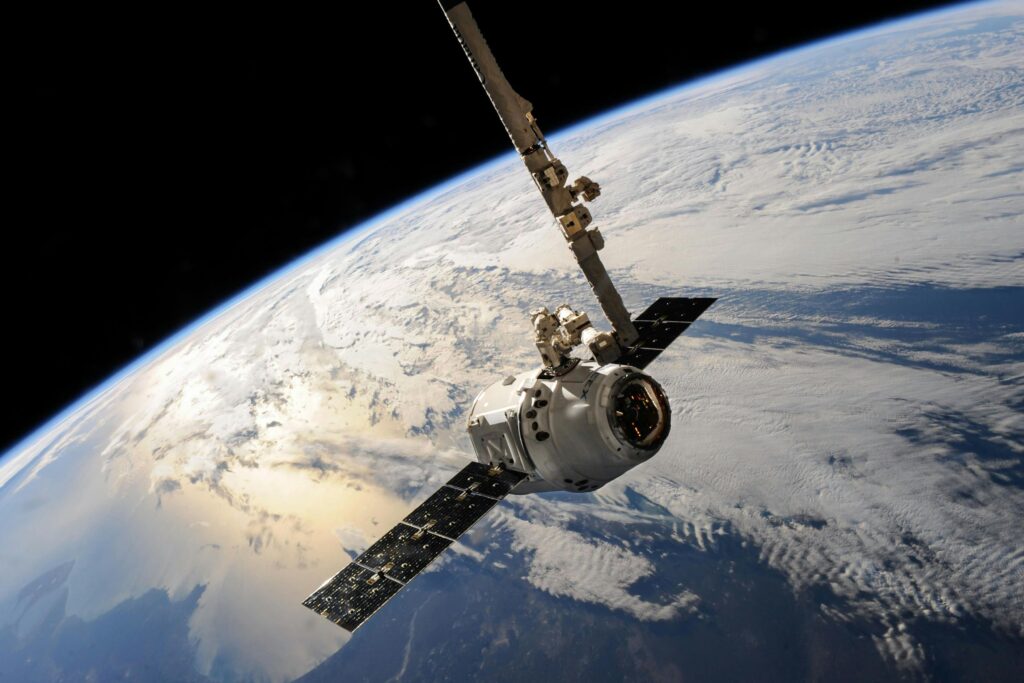
Project Kuiper is an initiative by Amazon to build a network of over 3,000 low Earth orbit (LEO) satellites. These satellites will form a mesh in space to beam internet signals directly to user terminals on the ground. It’s similar to SpaceX’s Starlink, but with its own unique approach and technology.
🛰️ How Does It Work?
Here’s how Project Kuiper plans to function:
- Satellites in Space: Thousands of small satellites will orbit the Earth at an altitude of around 590 km to 630 km.
- Ground Terminals: Customers will have a small receiver dish (about the size of a pizza box) that connects to the satellites.
- Network on Earth: Amazon will use advanced software and ground stations to manage data traffic and ensure low-latency internet.
🌍 Why Is Project Kuiper Important?
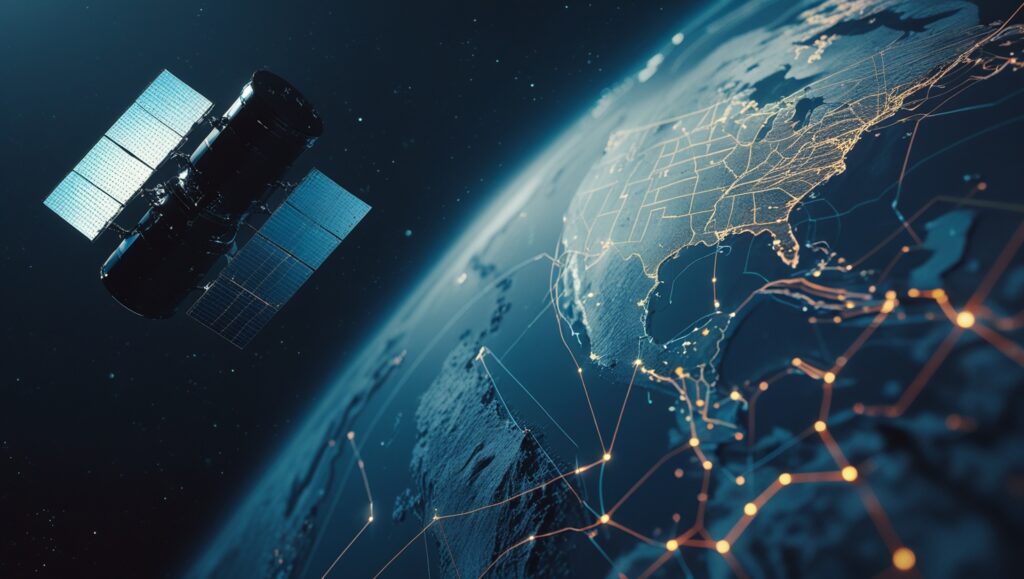
- Global Connectivity: Rural and remote areas will finally get high-speed internet.
- Disaster Relief: During emergencies or natural disasters, satellite internet can provide communication when ground networks fail.
- Economic Growth: Better connectivity can improve education, e-commerce, telemedicine, and employment opportunities.
🧠 Key Features and Benefits
- High-Speed Internet: Speeds similar to or better than 4G and early 5G networks.
- Low Latency: LEO satellites are much closer to Earth, which means less delay in data transmission.
- Affordable Access: Amazon aims to keep costs low to ensure everyone can benefit.
🔧 What’s Happening Now?
As of April 2025:
- Amazon has begun assembling Kuiper satellites in space.
- The company plans to launch service by late 2025 or early 2026.
- Thousands of employees and engineers are working on the project in locations across the U.S.
📦 Amazon’s Advantage
Project Kuiper has the backing of Amazon’s massive cloud network (AWS) and global infrastructure. It also benefits from Amazon’s distribution system, making it easier to deliver user terminals worldwide.
Additional Benefits of Project Kuiper
Beyond just fast internet, Project Kuiper brings broader benefits to society:
- 🛰️ Supports Smart Agriculture: Farmers in remote areas can use IoT devices and weather data through satellite internet.
- 💼 Boosts Remote Work: Professionals in remote towns or villages can work online with global companies.
- 🧑🏫 Virtual Classrooms: Students in underprivileged regions can join online classes and access educational resources.
- 📡 Military & Government Use: Secure communications in hard-to-reach or conflict-prone regions.
🤖 Competition Ahead
Project Kuiper isn’t alone. It faces competition from:
- Starlink (SpaceX)
- OneWeb
- Telesat
- China’s national satellite internet projects
But Amazon’s entry into this space race could drive innovation and lower prices for everyone.
🌠 Final Thoughts
Project Kuiper is not just about internet—it’s about opportunity, equality, and empowerment. With thousands of satellites above us, Amazon is creating a digital highway in the sky that could connect every person on the planet, no matter where they live. If successful, Kuiper will not only revolutionize global internet access but also set a new benchmark in the race for space-based innovation. Whether you’re in a city, desert, forest, or mountain — the future of the internet may soon come from above.
fore more content visit morecraze.in