

Kashmir Attack:- On the morning of April 28, 2025, the scenic town of Pahalgam, nestled in the heart of Jammu and Kashmir, was rocked by a brutal attack that claimed several innocent lives. This horrific incident, believed to have been carried out by militant groups, has sent shockwaves throughout the nation. The attack has reignited a deep sense of national grief and outrage while placing the focus back on Kashmir’s troubled past. For years, Kashmir has remained a contentious region, with its delicate balance constantly threatened by political disputes, violence, and terrorism. The recent incident has once again raised questions about the safety of civilians and tourists in the region, adding new dimensions to India’s ongoing conflict with neighboring Pakistan.
The kashmir Attack: What We Know So Far
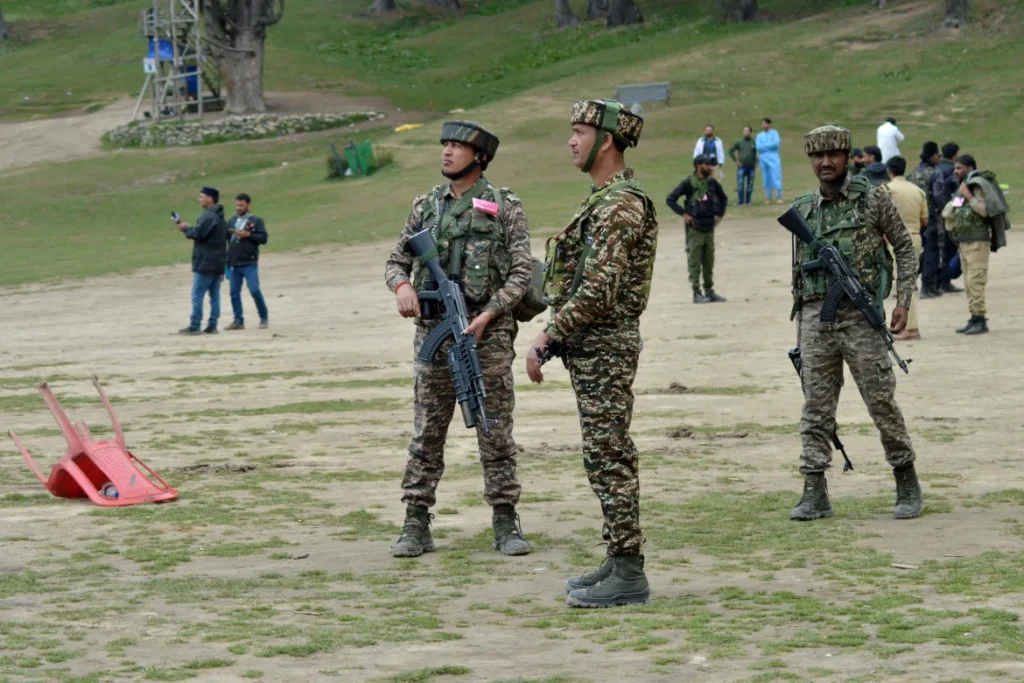
The kashmir attack took place during the early hours of the morning when a group of militants ambushed a group of tourists who were visiting one of the most famous spots in Kashmir attack—Pahalgam. The assailants, heavily armed and using assault rifles, targeted the tourists, as well as local residents, causing significant casualties. Security forces quickly responded, but by the time the militants were contained, the damage had already been done.
Eyewitness accounts have described a scene of chaos and panic as tourists and locals alike scrambled to find cover. While the exact number of casualties is still being verified, early reports suggest that at least ten people lost their lives, with dozens more suffering injuries. Among the casualties were both locals and tourists, which only deepens the tragedy and raises concerns about the region’s vulnerability to such acts of terrorism.
Government Response: Increased Security and Military Deployment
In the aftermath of the kashmir attack, the Indian government has swiftly acted, calling for immediate action to address the security situation. The Ministry of Home Affairs held an emergency meeting to discuss the response, while senior Indian Army and CRPF officers were dispatched to Kashmir to coordinate efforts.
The Indian Army, which has had a longstanding presence in Kashmir due to its ongoing conflict with insurgents, has ramped up counter-terrorism operations. Military operations in the region have escalated in an effort to neutralize any remaining threats and prevent further escalation of violence. Additionally, special forces have been deployed to conduct raids and search operations in the surrounding areas.
In a press conference, Home Minister Amit Shah condemned the kashmir attack in the strongest terms, promising swift justice and unwavering support for the victims’ families. He also stated that those responsible for the kashmir attack would face the full force of Indian law. “This barbaric kashmir attack will not go unpunished,” Shah declared.
Security experts have also raised concerns about the vulnerability of tourist destinations in Jammu and Kashmir. While tourism has been gradually reviving in the region, this kashmir attack highlights the security risks faced by visitors. Several tourism-related businesses have expressed their concern about the economic impact of such kashmir attacks, which could further deter tourists from visiting the region in the future.
Diplomatic Tensions: India-Pakistan Relations at a Crossroads
The kashmir attack has led to an increase in diplomatic tensions between India and Pakistan, two nuclear-armed neighbors with a long history of conflict over Kashmir. While the Pakistani government has denied any involvement in the kashmir attack, India has accused Pakistan-based militant groups of orchestrating the violence. These groups, according to Indian intelligence, have long used Kashmir as a hotbed for insurgent activities, often crossing the Line of Control (LoC) to carry out attacks.
India has been vocal in its criticism of Pakistan’s handling of militant groups within its borders. Indian officials have accused Pakistan of harboring terrorists and supporting violence in Kashmir. The Indian Ministry of External Affairs issued a strong statement, calling the attack a “clear act of terrorism” and demanding that Pakistan take accountability for the actions of groups operating from its soil.
In response, Pakistan has denied any involvement in the attack and urged India to focus on improving its own internal security. The Pakistani government has also expressed its condolences to the victims and their families, but it continues to maintain that it is not responsible for the violence.
As tensions escalate, international diplomatic channels are likely to play a significant role in preventing further conflict. Both countries have been under increasing global pressure to resolve their differences peacefully. The United Nations has expressed its concern over the situation, calling for restraint from both sides.
The Human Cost: Impact on Victims and Their Families
The most tragic aspect of this attack is the devastating toll it has taken on the lives of ordinary people. Victims ranged from Indian tourists to local Kashmiris, who were caught in the crossfire of this senseless violence. The wounded are receiving medical care, but many face long-term physical and psychological trauma.
The emotional toll on the local population cannot be overstated. Kashmir has seen countless attacks over the years, but the impact on families who have lost loved ones in this attack is devastating. Local residents have shown solidarity, offering support to those affected by the violence.
A Threat to Kashmir’s Fragile Peace
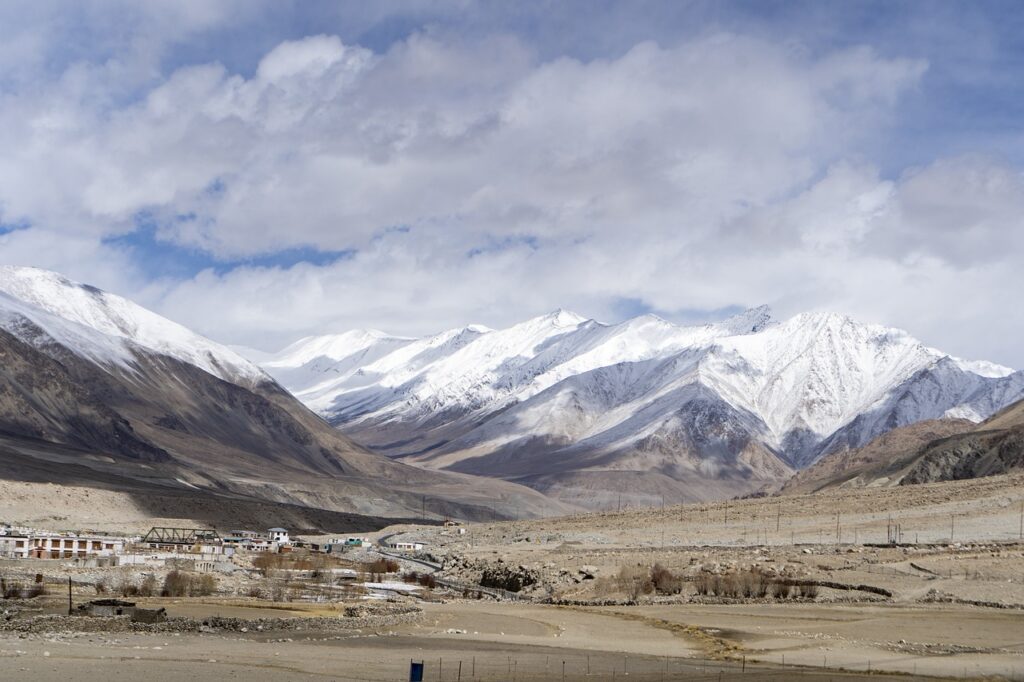
Kashmir’s tourism industry, which had begun to show signs of recovery after years of conflict, is now facing an uncertain future. Many businesses, especially in the hospitality sector, rely on tourism as their primary source of income. With the attack drawing national and international attention, fears are rising that tourists may be hesitant to visit Kashmir in the future, fearing for their safety.
Tourism, once a lifeline for Kashmir, could see a sharp decline as the safety concerns grow. Despite government assurances that the region will remain a tourist destination, the reality of violence on such a large scale is bound to raise doubts in the minds of potential visitors.
The attack serves as a painful reminder of the fragile peace in Kashmir. With insurgent groups continuing to operate in the region and cross-border tensions escalating, the challenge of ensuring lasting peace in Kashmir remains a daunting task.
Looking Ahead: What Needs to Change
As the investigation into the attack continues, there are several critical areas that need to be addressed:
- Enhanced Security Measures: The government must prioritize strengthening security in key tourist areas and across the entire region. Increased military presence, better surveillance systems, and intelligence sharing will be essential to combat the threat of militancy.
- International Cooperation: Given the international nature of the Kashmir issue, global cooperation on counterterrorism efforts will be crucial. Diplomacy must focus on preventing further violence and ensuring that all parties adhere to international norms and laws.
- Rebuilding Trust: Finally, efforts must be made to rebuild trust between Kashmir’s people, the Indian government, and the international community. Only through collaborative efforts can a lasting solution to the Kashmir conflict be found.
Conclusion: A Call for Justice and Peace
The kashmir attack in Pahalgam has left an indelible mark on Kashmir, a region already torn by conflict and suffering. As the investigation continues, the Indian government remains committed to bringing those responsible to justice. But beyond that, the nation must come together in the pursuit of lasting peace, stability, and unity.
India’s response will define the future of Kashmir—whether it continues to be a place of violence and division or whether it can be rebuilt as a place of hope, peace, and prosperity.
follow us on morecraze.in